26 November 2026
How to Choose a Niagara Falls Tour That Fits Your Day
Presented by @getcanadaniagarafallstourspace
Choosing a Niagara Falls tour is less about finding the most famous option and more about matching the day to your interests, pace, and practical limits. The falls can be enjoyed in a short window or explored over a full day, and the best choice depends on what you want to see, how much walking feels comfortable, and whether you prefer structure or free time. A little planning before you book helps avoid a day that feels rushed, crowded, or mismatched to your expectations.
Start with the kind of day you want
Begin by deciding what role the falls should play in your visit. Some people want a focused outing centred on the main viewpoints, while others want a broader day that includes nearby attractions, a boat experience, or time in the surrounding parks. There is no single right answer. A short, direct visit can be more satisfying than a packed itinerary if your time is limited or you are travelling with children, older relatives, or anyone who prefers fewer transitions.
Think about the atmosphere you are looking for. A morning visit may feel calmer, while later hours can bring a different pace and more activity. If you are interested in photography, consider where the light will be and whether you want time to linger at several viewpoints. If you are mainly there to experience the scale and sound of the falls, choose an option that gives you enough time at the edge rather than one that spends much of the day moving between stops.
Decide which side and areas matter most
Niagara Falls is not a single viewpoint. The Canadian side and the American side offer different angles, and each has its own character. Before selecting a Niagara Falls Tour, look at where the route begins, where it goes, and how much time is spent in each area. A plan that sounds comprehensive may still leave little time at the spots you care about most if most of the day is spent in transit.
Check whether the outing focuses on the brink area, the lower viewpoints, the islands, or the broader parkland. Some visitors are drawn to close-up views where the water drops, while others prefer panoramic angles that show the full curve of the falls. If seeing both countries is important, confirm whether that requires separate planning, border paperwork, or extra time. Do not assume that a tour near the falls automatically crosses the border. Details like this should be clear before you commit.
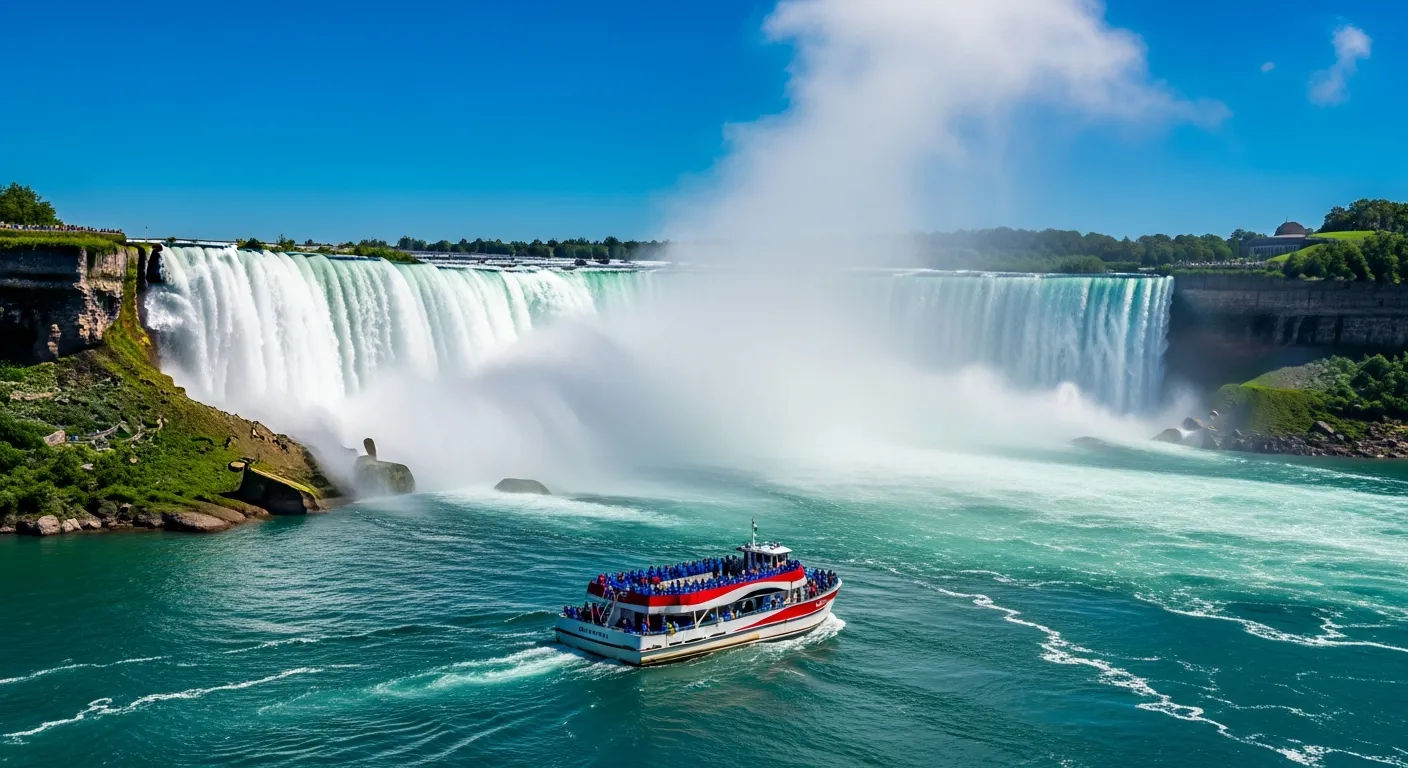
When comparing options, the Niagara Falls Tour official site can be one place to look for route descriptions and trip details, alongside other reliable travel resources. Read the wording carefully. A phrase such as "views of" does not always mean the same thing as "stops at", and "free time" may be short if the schedule is tight.
Match the route to your mobility and timing
Walking is a major part of many visits to the falls. Even a seemingly simple route can include paved paths, stairs, slopes, waiting areas, and uneven surfaces. Think honestly about what your group can manage, including children who may tire quickly or adults who prefer to avoid long stretches on foot. If mobility is a concern, look for clear information about accessibility, rest stops, and whether transportation is available between viewpoints.
Timing matters just as much. Consider arrival and departure plans, hotel location, parking, and any other bookings on the same day. A route that begins far from where you are staying may require extra travel time at both ends. Leave a buffer for security checks, queues, weather changes, and simple delays. A day built too tightly can turn small holdups into missed stops.
Also check how long the outing lasts from start to finish, not just the time spent at the falls. Transfers, boarding, and stops can add up. If the schedule includes lunch or attraction entries, confirm whether those are built into the time or left as optional extras.
Compare what is included and what is not
One of the most useful habits when choosing a tour is to separate the core experience from add-ons. The core should answer simple questions: where does it go, how long does it last, what is the group size, and what kind of transport is used. Add-ons may include boat rides, admission to observation towers, meals, or time at nearby attractions. These can improve the day, but they can also make the schedule busier than expected.
Read inclusions as precise terms rather than broad promises. If a boat experience is mentioned, check whether it is included, optional, or subject to seasonal conditions. If a meal is included, look at whether it is a full meal, a snack, or simply a stop where food can be purchased. If entry to a viewpoint or attraction is listed, confirm whether that means admission is covered or only that the vehicle stops nearby.
The Niagara Falls Tour official site may help with checking how details are presented, but the same careful reading should apply wherever you research. Clear descriptions are a good sign because they let you picture the day before booking. Vague wording can leave too much to chance, especially if you are coordinating several travellers with different expectations.

Look at group style and pace
The size and rhythm of a group can shape the experience more than people expect. A larger group may move with a set routine and fixed stopping points, while a smaller one may feel more flexible. Neither is automatically better. Some visitors enjoy the structure and company of a busy outing, while others prefer a quieter pace with more room to pause and take in the view.
Check whether the itinerary allows free time, and what that free time actually means. A short pause at a viewpoint is different from an hour to explore on your own. If the day includes several stops, note whether the guide gives background information throughout or mainly handles logistics. Travellers interested in history, geology, or local context may want a route with more interpretation. Those who simply want efficient access to the falls may prefer a simpler format.
It also helps to think about noise, waiting, and crowd levels. Popular viewpoints can become busy, and not every group has the same tolerance for queues. If avoiding crowds matters, look for earlier start times or less packed itineraries. Keep in mind that no option can guarantee empty viewpoints at peak times.
Check practical rules before booking
Before making a decision, review the booking terms, meeting details, cancellation conditions, and any age or mobility restrictions. These details are not exciting, but they prevent avoidable problems. A good fit on paper is less useful if the starting point is difficult to reach or the schedule cannot be changed when plans shift.
Pay attention to what happens in poor weather. The falls can still be impressive in rain or mist, but some experiences may be altered, delayed, or unavailable. Waterproof layers and secure footwear can make a big difference, especially near spray zones. If a route includes outdoor viewing platforms or boat decks, expect damp conditions at times and plan accordingly.
Also consider documents and border requirements if the outing involves more than one country. Rules can vary by nationality and mode of travel, so check current requirements through official sources. This is especially important for families, groups, or anyone with limited time at the border.
Read reviews with a critical eye
Reviews can be useful when they describe specific parts of the experience, such as clear meeting instructions, comfortable pacing, or well-managed stops. They are less helpful when they only offer broad praise or frustration without detail. Look for repeated patterns rather than relying on a single comment. If several reviews mention long waits, confusing instructions, or too little time at the main viewpoint, treat that as a signal to investigate further.

Balance the comments against your own priorities. A complaint about a lively group may not matter to someone who enjoys that atmosphere, while a repeated note about heavy walking may be crucial for a traveller with mobility needs. When a name such as Niagara Falls Tour appears during research, use it as a reference point for checking details, not as a reason to skip comparing the actual itinerary.
Make the final choice by fit, not by features alone
After gathering the facts, narrow the decision to the option that best matches your day. A strong choice usually has a clear route, realistic timing, transparent inclusions, and a pace that suits the group. It should leave enough time for the falls themselves rather than filling every moment with extras. If two options look similar, choose the one with clearer information and fewer uncertainties.
Finally, keep a small amount of flexibility in your plan. Weather, crowds, transport, and personal energy can all change the shape of the day. The right Niagara Falls tour is not necessarily the longest or the most elaborate. It is the one that helps you see what matters, move at a comfortable pace, and finish the day without feeling that the most memorable parts were squeezed into the margins.